Are You Paying the “Neglect Tax?”
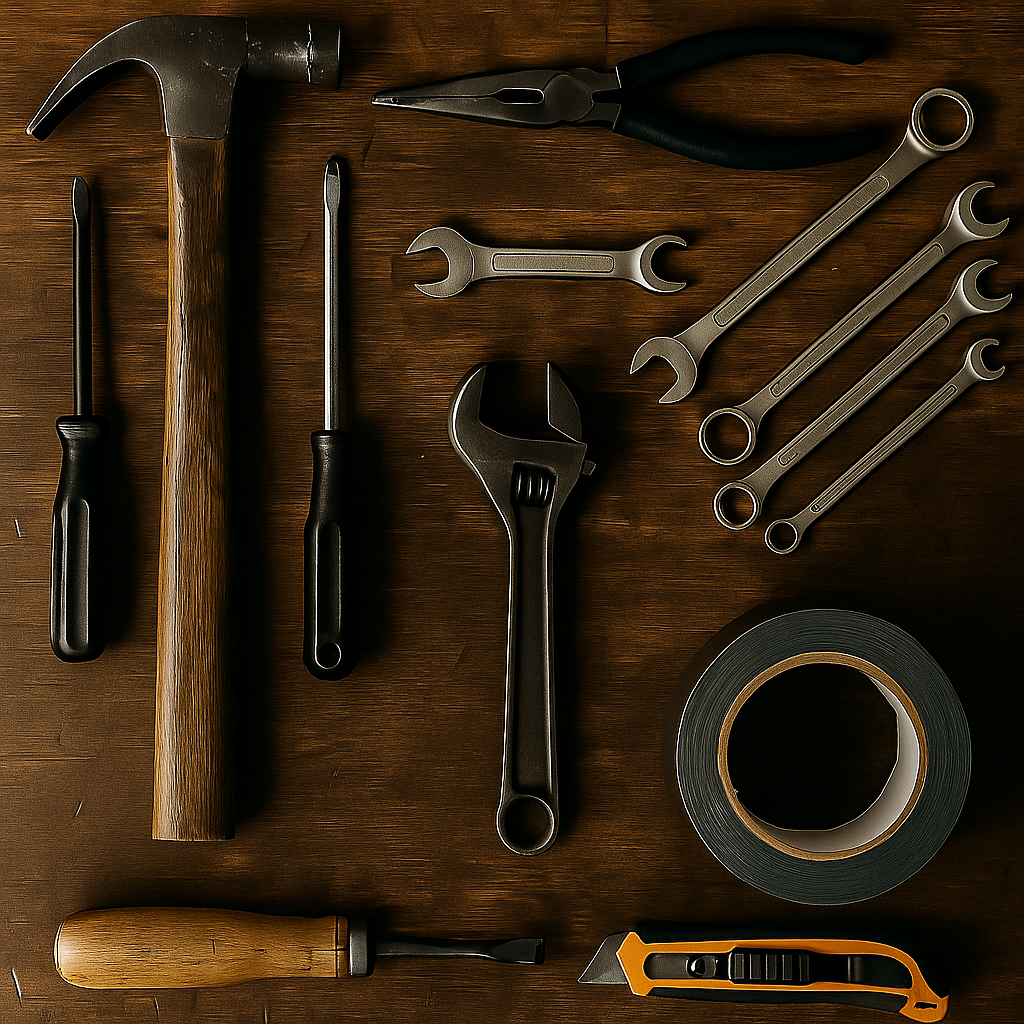
Racing rewards speed. But the barns that last don’t worship upgrades; they honor maintenance.
Trade-in thinking is everywhere. Truck makes a noise? Swap it. Walker machine stutters? Order a new motor. Tack looks tired? Buy fresh. Meanwhile, the simplest truth keeps getting ignored: the cheapest, safest way to protect income in this game is the boring rhythm of maintenance.
The Forgotten Line Item on the Backstretch
Most stables budget for feed, day rate, day help, vet, farrier, shipping, and entry fees. Almost nobody sets aside a true maintenance line: the money and minutes required to keep the operation humming.
It’s predictable. Trailer seals dry out. Wash rack drains clog. Roof screws back out. Arena footing compacts. Jockey gear degrades. None of it has a due date. So it’s pushed until it screams, when the price is 10x higher and the timing is always terrible.
This isn’t surprise. It’s neglect dressed up as normal.
The Math That Always Wins
A little, on time, beats a lot, too late.
- A $250 spring trailer service (brakes, bearings, lights, seals) prevents a $3,500 roadside failure…plus a scratched horse and a lost shot at the purse.
- A $150 hot-walker motor service keeps conditioning on schedule; a seized motor costs $1,200 and missed training days.
- A $180 farrier adjustment and hoof packing today prevent a quarter crack that costs two starts.
- A $200 vest/helmet inspection and timely replacement protect a jockey’s ability to ride; medical downtime can erase a meet.
- A $75 oil change and fluid check on the truck every few thousand miles avoids a $7,500 engine rebuild, and the tow that makes you late to the entry box.
Multiply those across your barn, your vehicles, your tack, your body. One pattern emerges: maintenance builds margin; replacement drains it.
Maintenance Is a Rhythm
Maintenance only works when it’s habitual. It’s not a heroic Saturday with a toolbox, it’s a cadence baked into the life of the stable and the routine of the rider.
- The trainer who schedules service before the meet, not after a warning light, doesn’t miss ship-ins.
- The barn that walks the roof line and gutters between big rains doesn’t discover water in the tack room.
- The jockey who inspects gear weekly and keeps a simple mileage/receipts rhythm doesn’t scramble at tax time or, worse, ride in compromised equipment.
That’s not just discipline. It’s resilience. And resilience compounds just like returns.
A Personal Lesson in Maintenance
When I was much younger, I raced bicycles in college. Riding or training six or seven days per week, along with racing, puts a toll on the wearable parts of the bike: chains, sprockets, brake pads, and brake cables. I was obsessive about maintenance—always cleaning, adjusting, replacing—and my teammates made fun of me for it.
Over four years and hundreds of races, my bicycle never broke on me during a race. I never had to make up for lost time or points due to a mechanical problem. That consistency was part of the reason I ground my way to a conference championship my senior year. No big wins. No flashy shows of dominance. Just showing up for every race and fighting to the finish. The same principle pays in barns and on the backstretch: maintenance is the edge that keeps you competing.
Deferred Maintenance, Deferred Income
We’ve all seen the national story: bridges, grids, and water systems pushed “one more year” until the bill arrived 10x bigger. The same logic walks our shedrows.
Every “we’ll get to it after this meet” turns into a larger, poorly timed hit. The horse that trains around a minor issue ends up with a big vet bill. The truck that limps through spring dies in summer, two hours from the track. The latigo that looked “fine” yesterday breaks in the paddock today.
Deferred maintenance is a shadow liability. It accrues quietly, then collapses all at once…usually when it costs you the most.
What It Really Costs to Keep What You Own
When I build financial plans for horsemen and jockeys, we don’t just ask what you have, I ask what it takes to keep it working.
- A $600,000 farm isn’t just taxes and insurance. Expect 1–2% a year in true upkeep—driveway sealing, drainage, fencing, roof checks, HVAC service.
- A $60,000 truck isn’t just a payment. It’s tires, fluids, brakes, alignments—$1,500–$2,000 a year on average if you want it reliably hauling at 4 a.m.
- A barn full of equipment isn’t “set and forget.” Pressure washer service, hot-walker bearings, tractor filters…cheap on schedule, expensive in emergencies.
- A jockey’s kit isn’t a one-time buy. Helmets, vests, boots, stitching, laundry… small, steady spending that protects the ability to earn.
Ignoring these costs doesn’t make them disappear. It guarantees they’ll show up as “emergencies” at the worst moment.
The Virtue That Pays
Maintenance is stewardship - caring for what you’ve already earned before chasing something new. It’s not flashy. It’s powerful.
- A well-maintained stable runs smoother, keeps horses training, and avoids scratches.
- A well-maintained truck keeps your calendar, not the tow company’s, in charge.
- Well-maintained gear keeps you safe and riding.
- Well-maintained cash flow makes meets less stressful and decisions better.
Maintenance is the compound interest of responsibility.
The Takeaway
In a sport obsessed with new… new sales, new prospects, new equipment, maintenance is a competitive advantage. It’s the quiet choice that says: we’ll take care of what we have so it keeps taking care of us.
That mindset keeps rigs rolling, horses training, gear safe, and budgets balanced. It isn’t glamorous or fast. It’s the foundation of durable success on the backside and at the window.
Because in barns, in trucks, and on the track, one truth never changes: neglect is expensive. Maintenance pays.
Are you interested in learning about the financial services that I provide for jockeys and horsemen? Click below: